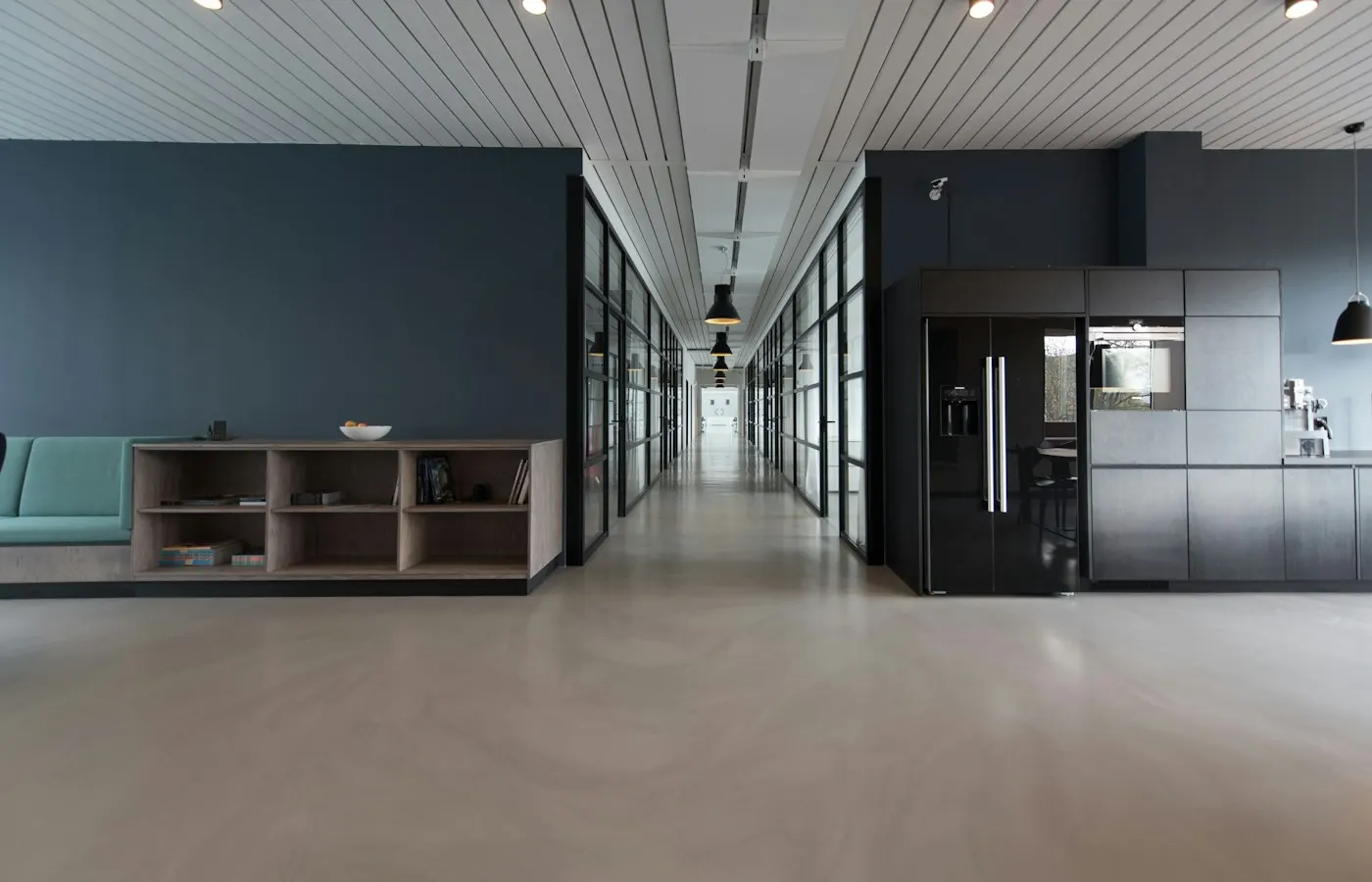
A village hall on a Thursday in November is a radiator, a stack of chairs and a noticeboard with five overlapping rotas. The pub may still be open. It may not. The hall kept the key. These rooms are UK local life here, not heritage nostalgia. Hire fees, insulation and a caretaker decide whether a parish still has a winter interior.
Yoga at 10am, a parish council at 7, a youth club that needs the kitchen. The building is a timetable more than an architecture. People remember the timetable when they forget the plaque. If the urn still boils on a Thursday in the dark month, the parish still has an interior. If not, the plaque is decoration.
Read the diary, not the plaque
A hall that only opens for a wedding in June is a locked asset. The weeknight is the test. Energy bills turned some halls into weekend-only spaces. That is a quiet closure. The walls still stand. The evenings do not. Warm-room language arrived from the library sector. Halls already knew it. They just called it a cup of tea after the meeting.
Trustees are often older than the boiler. Succession is the plot. A hall that cannot find a treasurer will eventually find a locked door. Keys in a key safe and a volunteer who knows the boiler are the actual staffing model. Lose that person and the heat stops, the sound stops, the playgroup looks for a school.
If the urn boils on a Thursday in the dark month, the parish still has an interior. Bunting can wait.
What oil bills did to culture
Trustees already know the oil bill. New residents often learn it in the first dark month, when a hire fee jumps and a committee looks for a treasurer. Energy is now the quiet politics of a parish. It dare not speak except as a line on a booking form. Publish the hours and you have already published the politics.
Grant schemes love a new kitchen. Users love a working lock and a floor that has been mopped. Those preferences collide in every application form. Halls that spent a grant on a projector and then closed on weeknights bought a screen and lost a room. Use is maintenance wearing a timetable. A Wednesday gap is how damp starts.
The evenings the pub dropped
If the pub closed and the hall cut hours, the village lost two interiors in one winter. That is a local news event even when nobody files a press release. The hall sometimes filled the gap and sometimes could not. The fill is not automatic. It needs a committee that still says yes in February, and a room that is not priced like a boutique wedding.
Broadband in the car park now matters as much as the stage. People take calls between sessions. The hall became an office without anyone writing that down. A loo that works, a loop system, a kitchen that can still pass a rating: those are the founding documents of a winter public. Bunting is optional. Heat is not.
In many parishes the same building is also the polling station, the warm room, and the wall where a defibrillator lives because nowhere else had a volunteer. Those extra jobs are not decoration. They are how a timetable becomes a public.
Heat, a working lock and a floor that has been mopped still decide whether February bookings happen. Bunting can wait. A winter public starts with the boiler, not the plaque.
BodyGrove will not pretend a quiz night is a housing policy. We will report that a heated room with a loo is still how a parish holds itself together after dark. The diary on the door lists whether the place is still a public. The next questions are who holds the key, what the oil bill did, and which evenings actually still happen. The lock still decides November.