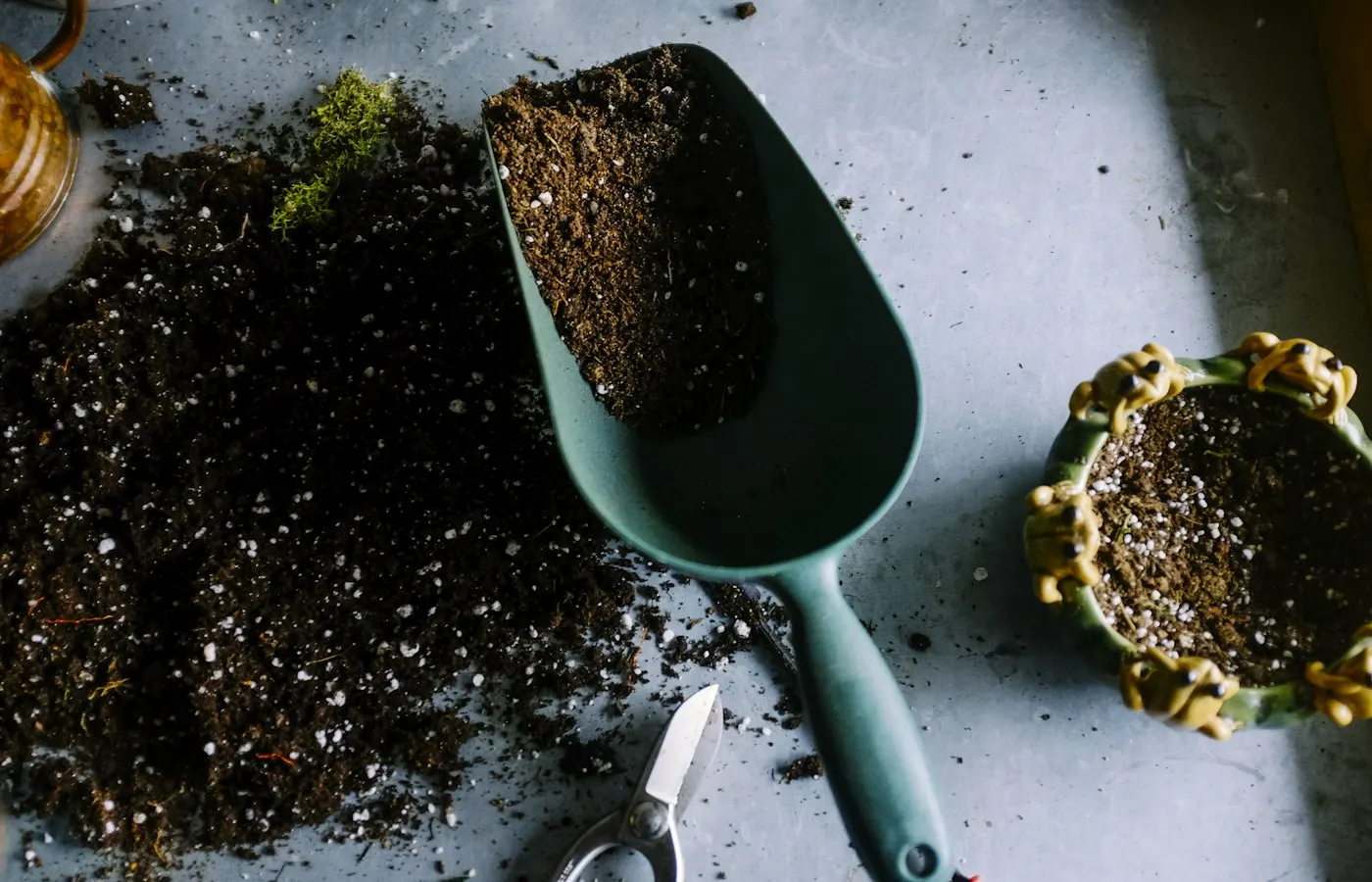
Garden centres used to sell peat as if it were a neutral medium. It never was. Peatlands are a carbon store and a habitat. The bag in the trolley is how millions of households met that fact without visiting a bog. A bag of soil is now an environment story next to the kettle and the cafe. Labels changed. Prices moved. Gardeners argued about tomatoes in WhatsApp groups that used to argue about frost.
BodyGrove's analysis is the shelf, not a lecture in a hide. Peat-free compost turned the garden-centre aisle into a policy. Growers, amateur beds and a supply chain that used to cut bogs now share a label. The label is not the same as a working mix. Performance complaints are ordinary in the first dry May. Some mixes hold water badly. Some grow on. Honesty means saying so without using a bad bag as a trick to bring peat back through the side door.
The aisle had to do political work a bog walk never could
A garden centre is also a cafe and a play area. The compost aisle is easy to skip. That is why the label had to do political work that a bog walk never could. An aisle of green bags with the same claim is a shrug wearing policy. Staff who can say what a mix is for are the actual culture of the place. A wall of identical claims is how a ban becomes a mood rather than a material.
How much peat still sells is a figure for Defra and the trade bodies when they publish it. Defra and trade bodies publish those when they do. We will keep reading the bag. Alternatives have their own footprints: wood fibre, coir, composted green waste. Honesty means naming those too. Allotmenteers already made compost because they had to. The commercial bag is catching up to a habit that plots taught for decades. Catching up is slower than a slogan.
A patio tomato and a nursery tray are not the same risk
Professional growers face a harder spec than a balcony. Consistency, volume and a retailer who still wants a perfect tray in March. Policy that only lectures consumers misses the nursery. Professional horticulture and a patio tomato do not share a risk and still share a law. Noisy aisles are what that looks like. Analysis that lectures both with one sentence has already lost the plot.
Teaching lagged the ban. Some amateurs went back to whatever they could find. That is not sabotage. It is a signal that the aisle moved faster than the advice desk. A mix that needs more water in a drought is a policy with a hose attached. Wildlife claims on a bag are easy. Watering behaviour is the test. Put the hose next to the peat sentence or you are selling a poster.
Soil that works is the civic fact. Labels are the argument, not the other way round.
Watch the bale, not only the slogan
Retailers fear empty shelves more than they fear a muddy argument. If peat-free supply wobbles, the old bales reappear. Analysis should watch the bale, not the slogan. Policy that bans a material without a replacement that works at scale trains a shrug and a search for whatever still grows. Policy that funds trials and honest labelling trains a better aisle. Launch copy prefers the second sentence. Saturdays in the garden centre tell you which one you are in.
BodyGrove will not tell you what to plant. We will tell you that a soil bag is now an environment desk story that happens to live next to the kettle. A trolley is a small policy arena. It without turning gardening into a purity contest is still the visit that counts. The longer aisle is still the same trolley: how mixes actually differ, where professional growing still struggles, and why a bog and a balcony now share a policy they do not share a watering can.
If your tomatoes sulked in May, that is data about a mix and a hose, not a referendum on peatlands. If a nursery still argues for a residual peat line, that is data about a spec, not a personality. Hold those facts in one piece. The aisle is noisy because the policy covers both.