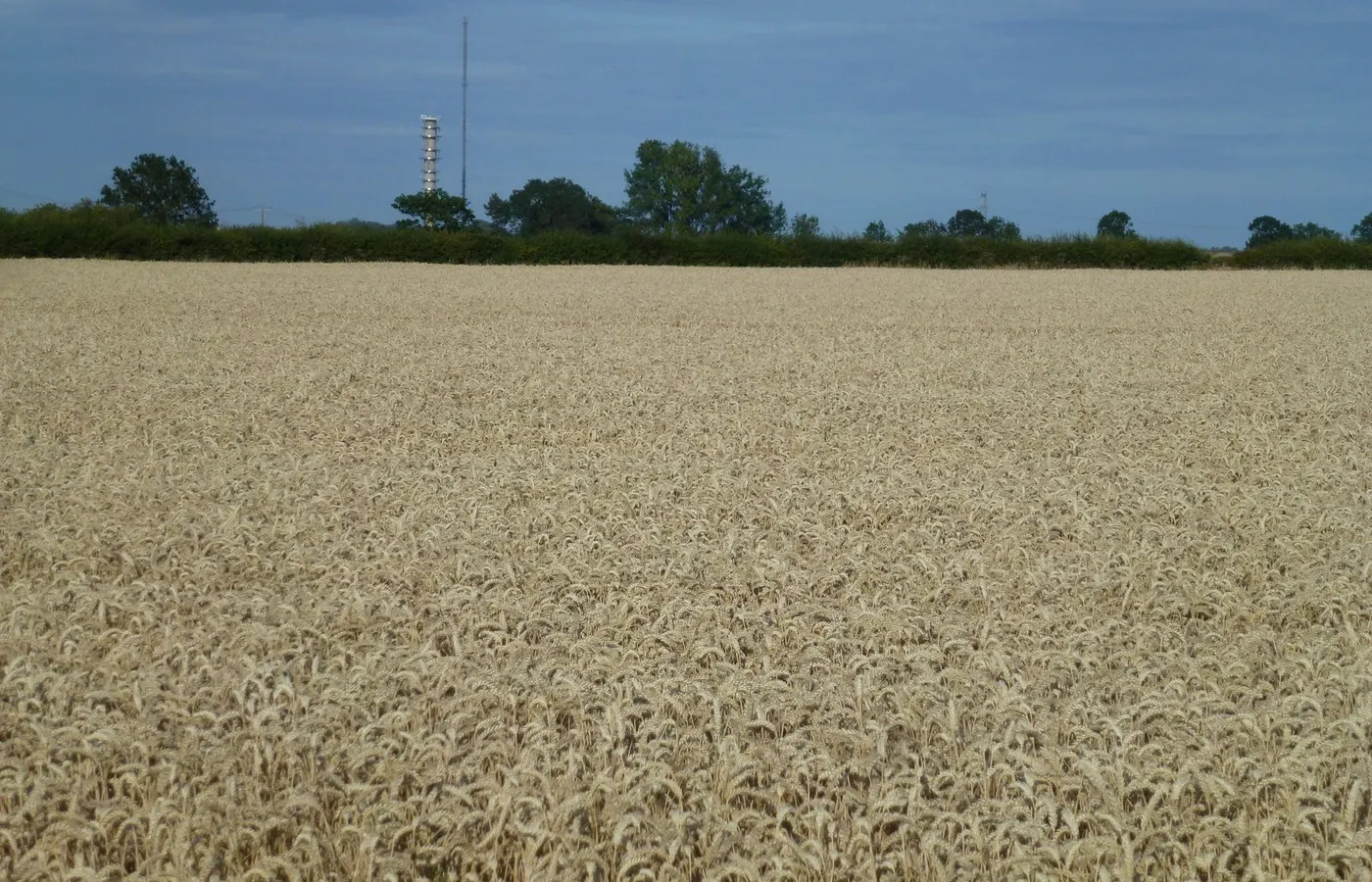

Harvest is a week that can collapse into three dry days. Shops still want a look of abundance that lasts a season. A field's week and a retailer's calendar are not the same clock. BodyGrove's analysis sits in that mismatch. Radar in a cab does not create a dry day. It only helps a grower spend the three they get. A full bay can look like weather. It is not weather.
Growers talk about windows: a span when a crop is ready, a machine is free, and a packhouse can take the load. Miss the window and the field is still full. The contract may not be. Weather has always been the editor. What changed is how little slack a supermarket calendar allows. Own-label specs and promotions are written months ahead. Clouds are not.
A window is a diary, not a postcard
The public language of harvest is still a photograph of gold. The working language is a spreadsheet and a radar. A packhouse calendar is a more honest document than a packet photograph. A radar week, a gang already on the books, a grade that will not flex: that is harvest as a diary. A shop that still prints twelve weeks of plenty is arguing with cloud. When the pick misses, the aisle rarely looks empty. The lorry planner succeeded. The British crop dropped out of the photograph. Dropping out is the story.
Labour sits inside the window. A delayed crop still needs people on the same days as every other delayed crop. Rota magic has a limit. A delay of four days can waste a contract and a crew that was already booked. Weather does not honour a booking. Analysis that lectures about seasons as a lifestyle has not sat in the cab. The collision is the news. The lifestyle is the caption.
Promotions assume a signature the sky has not given
A magazine slot is booked while the crop is still in the ground. If rain then stalls the pick, the offer still wants volume. That is not a conspiracy. It is a print deadline colliding with a field. Imports close the hole. The bay looks complete. Completeness is the shop's job. Optionality is what the British field feels on a wet Tuesday when a crate from elsewhere takes the space the contract described. Origin can move overnight. A planted row cannot.
Storage and processing absorb some mismatch. Fresh lines cannot. Strawberries do not wait politely in a silo. A bag of frozen peas can still be last June. A punnet of berries cannot. Sharing a gondola does not mean they share a weather bet. A seasonal header that sells them as twins is how a shop talks past a field. A particular year is the worst on record only if an official series says so. The twelve-week look of the aisle and the three dry days in a field remain different documents.
A full bay is a logistics success. It is not proof that the nearby field had a gentle year.
The clock the town never sees
Rural roads feel harvest even when cities do not. Convoys, mud, a pub that fills at 8pm with people who started at 5am. That is food systems as local life. Retailers talk about resilience. Growers talk about whether a window still exists. Those words should meet together on the page. Climate talk that never reaches a harvest diary is a poster. Diaries are dull. They are also how a year actually happens.
A tighter pick week is not an argument for empty shelves as virtue. It is an argument for stopping the aisle from posing as a forecast. The harvest clock has to stay honest. The longer diary is still the same clock: how a spec becomes a date, what a missed week does to a farm's year, and why a British crop can still lose a slot while the shelf looks calm.
If you only meet harvest as a colour on a packet, you are reading the shop's clock. The field's clock is shorter, wetter and less photogenic. Holding both clocks in one piece is the work. The packet will keep looking like August. The cab will keep watching the radar. Those two images should not be sold as the same week.