A crate of herbs at a bus stop photographs well. It also has to survive grit, cigarette ends and a summer when nobody remembers the watering can. BodyGrove reads the crate as infrastructure, not as a cute corner. Parish councils and resident groups now bid for pocket-park money that used to go to hanging baskets on lamp-posts. The bus stop is a logical target. People already stand there. They already look at the same square of pavement twice a day.
The tension is maintenance. A living wall on a shelter needs a named person, a tap, and a winter plan. Without those, the project becomes brown stems and a complaint about mess. A trough that dies in August is a notice that the next greening scheme will be disbelieved. Watering is the policy. Photographs are the press. Pairing them is the only honest way to write a stop that people actually use.
Four inboxes for one plant
Who holds the watering can is often a resident, a parish clerk or a contractor who already has too many beds. A shelter that sits on a county highway adds a fourth inbox. Plants do not care about the inbox. They care about Tuesday. Highway land, a county contract, a parish and a resident with a can: that is a parks question in miniature. Design that needs a specialist key to empty litter will fill. Design that uses tough plants and a named owner lasts. Tough is unfashionable in launch copy. It is how a stop stays green.
Volunteer rotas work until the organiser moves. Councils that then adopt the planting discover they have added a watering round to a grounds team that already runs thin. Replacement that takes a season is what empties the idea. A broken trough left through winter is a notice that nobody owns the stop. Ownership is the whole parks question shrunk to a metre of kerb. Vandalism is ordinary. Leaving the wreck is the policy failure.
A wait is civic. A herb is optional.
The seat still comes first
Passengers still need a dry seat and a working display more than they need rosemary. The garden is an extra. When the extra replaces the seat, the policy has forgotten the wait. Drivers still need the kerb. Wheelchairs still need the boarder. A planter that steals the waiting patch is a failed garden. Design here is a measured rectangle, not a mood. Extra that steals the civic object should be reported as a theft of function, not as a cute story.
Some stops now host little libraries, defibrillator cabinets and a plant crate in the same metre. That crowding is the story of a high street that outsourced civic furniture to the shelter. Sponsorship plaques can buy compost. They can also turn a public stop into a brand surface. Readers deserve the name on the plaque in the same paragraph as the lavender. A planter is small enough to hide a deal. Small is not the same as unimportant.
A hedge on a slab is not a rural stop
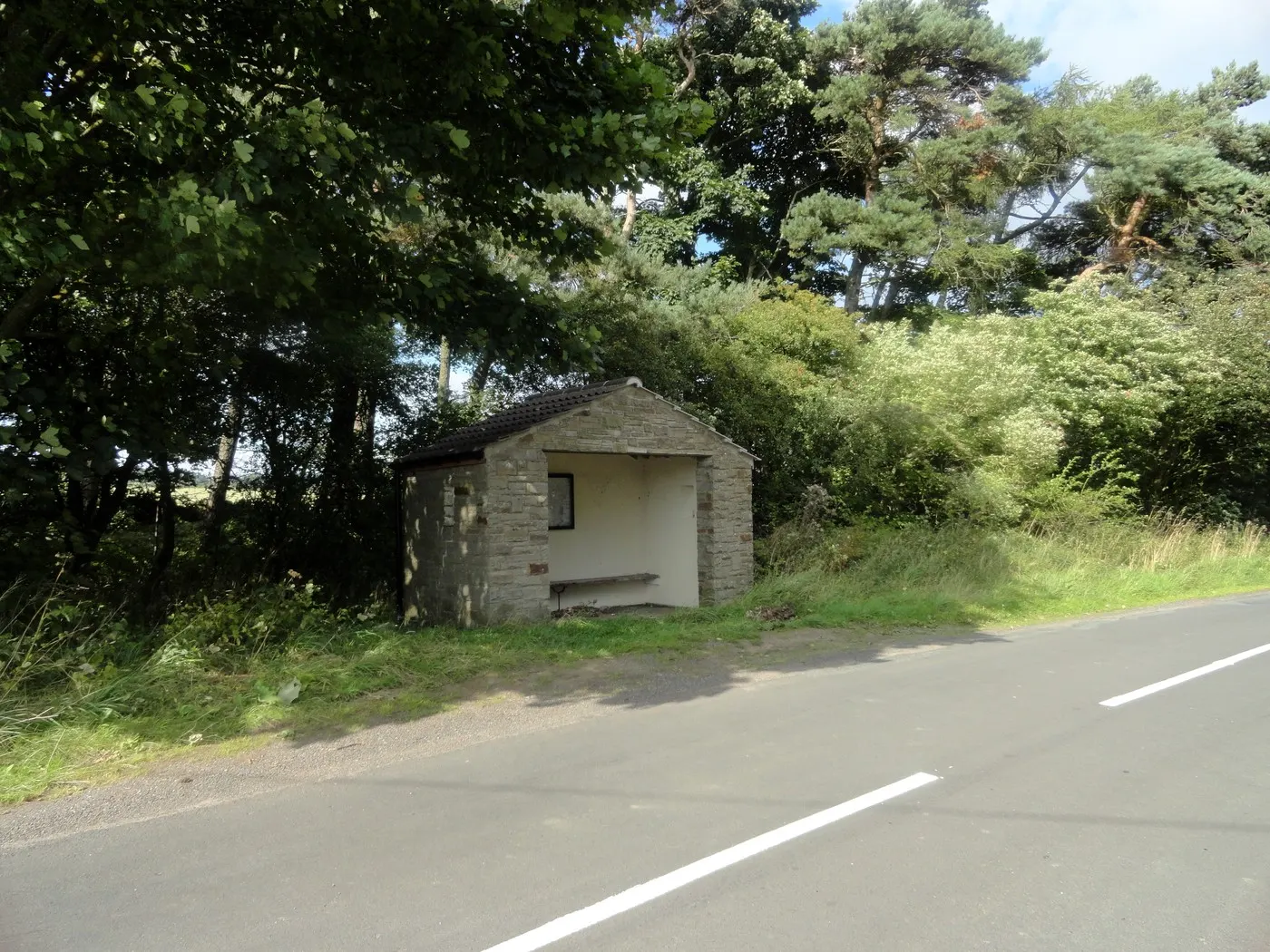
Rural stops are a different object. A wooden shelter in a hedge already has planting. The urban crate is trying to import a hedge onto a slab. Passengers talk to each other more when there is something to point at. That is a real social fact and a thin basis for a strategy. A bench still does more work than rosemary. The timetable still decides whether anyone sees the plants in daylight. A stop used only in the dark is a different scheme. Greening policy that ignores the bus clock is decorating a ghost.
This desk will not invent air-quality claims for a box of mint. The first test is whether the stop still works as a stop. If a town plants the shelter and forgets the timetable, it has decorated a wait. Readers deserve both the herbs and the last bus time on the same page. A tiny garden cannot be a parks strategy. It can be a civil habit at a place people already stand. That habit is worth reporting without pretending a trough is a park.
Stops that last two winters have a named owner, a tap they can actually use, and plants that forgive a missed week. Stops that become litter after a single dry June had a photograph and no Tuesday. The difference is visible from the opposite pavement. It does not require a strategy document. It requires a can, a rectangle that still lets a wheelchair board, and a display that still tells the truth when the lavender looks good.